

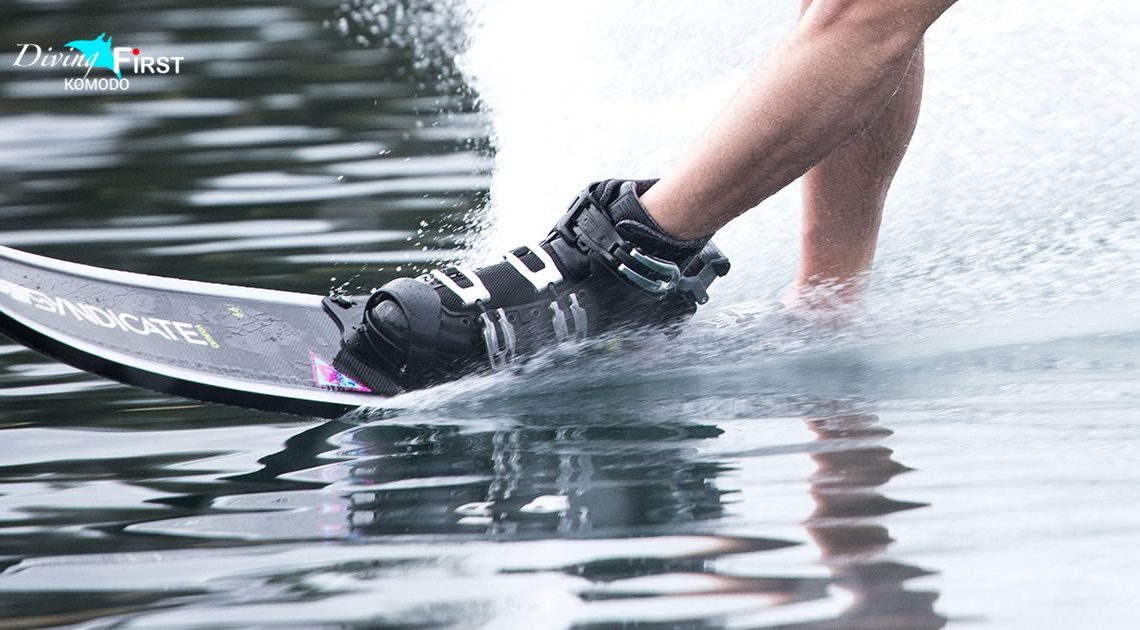
Your water session usually starts with confidence. There is no hesitation, and you feel like going barefoot into the water feels more “natural” than wearing wetsuit boots. Then, it happens fast. One of your feet lands slightly off target. Not dramatic, but sharp enough to sting, or the coral scrapes your skin, and a thin line of red clouds the water.
This is how most people learn the value of this footwear: through a mistake they wish they hadn’t made. Many labelled wetsuit boots as optional gear. It is only suitable for beginners or those who are overly cautious. That assumption works perfectly right up until it doesn’t. Learn to avoid these mistakes through this article!
What are wetsuit boots?
Wetsuit boots are neoprene footwear that act as feet coverings when diving. When people talk about gearing up for the ocean, the spotlight usually falls on wetsuits, surfboards, fins, or maybe a sleek dive mask. Rarely does wetsuit footwear get the credit it deserves. This footwear exists to protect your feet during water activities, serving as a complement to a wetsuit.
In water environments where temperature, terrain, and exposure matter, your feet should have all the protection they need. Undoubtedly, that protection is exactly what these boots provide. They are not casual shoes that you wear to look the part of an experienced watersport enthusiast. First of all, they use neoprene material.
Neoprene, or polychloroprene, is a durable, synthetic rubber. This material is famous for being resistant to temperature, which prevents the cold water from numbing the feet. Aside from that, they are also lightweight. This benefits wetsuit boots users to move easily in the water without using too much energy in their feet.
Wetsuit boots are not waterproof
One common misconception is that wetsuit footwear keeps feet completely dry. This cannot be more wrong. Despite the name, they are only water-resistant, not waterproof. In reality, they only function to keep your feet warm, not dry. Completely waterproof boots would be stiff and restrictive, which is impractical for swimming.
Wetsuit boots, on the other hand, choose warmth over dryness. All of the seams, zippers, and openings in this footwear allow a small amount of water to enter. Your body heat warms them, and the neoprene material of the boots traps the warm temperature and slows it from disappearing.
What are these boots for?
Wetsuit boots are designed for many purposes. As mentioned before, they provide warmth against cold water. They also cushion your feet against rough surfaces and sharp rocks, corals, or shells. If your watersport requires you to walk on reefs or enter water from rocky shores, having neoprene footwear is essential.
For snorkelling or diving beginners, they can improve safety and confidence. Slippery boat decks, uneven shorelines, and strong water currents will become easier to manage when your feet are properly protected. It is recommended gear to enhance comfort and reduce the risk of injury in the ocean. Read the list below for more of their purpose!
Enhancing grip & stability
Wetsuit boots ensure a good grip on wet and slippery diving or snorkelling areas where bare feet cannot. The rubber soles are made to grip algae-coated rocks, boat ladders, and reef platforms. This will prevent you from slipping and falling, especially where most incidents happen at exit and entry points.
Extending time in the water
“Cold feet” can easily prove to be the first reason for divers or snorkellers reducing or abandoning a snorkelling or diving activity midway. Neoprene boots create a warm temperature, sustain it, and reduce heat loss for a long time. As a result, you will have more time to spend underwater.
Choosing the boots
You cannot just pick wetsuit boots by grabbing the first pair that you see. The right pair must be chosen. They will make your overall performance more comfortable and safe. Choosing the wrong boot choice, however, will result in cold feet, blisters, and limited movement. Before buying them, look for these things in the checklist:
- Seamlines: Water flushing is reduced, and warmth is increased when seams are glued and stitched.
- Fit: Without cutting off circulation or causing pressure points, boots should feel snug.
- Thickness: Temperature and session duration match the thickness of your wetsuit boots.
- Ankle height: Protection and warmth are given by higher cuts. Lower cuts provide more flexibility.
- Activity: Different boot designs may be needed for surfing, diving, and snorkelling.
Step into the ocean with Diving First!
Ask any seasoned snorkeller, diver, or other watersport enthusiast what ruins a session fastest, and you’ll hear the same answer: cold, numb feet. Lucky for them, wetsuit boots are here to change the experience! These boots are more than just accessories; they are a necessity if you want to spend more time in the ocean!
Once the boots are in, the next step is booking your trip to the ocean! If you want to go on an ocean trip, a marine safari is the perfect option! With trustworthy operators such as Diving First, you can enjoy one of the most popular snorkelling and diving locations in Komodo!